Buy krton.com ?
We are moving the project
krton.com .
Are you interested in purchasing the domain
krton.com ?
domain@kv-gmbh.de · 0541-91531010
Buy krton.com ?
Is ornamental grass toxic?
Ornamental grass is generally not considered toxic to humans or animals. However, some varieties of ornamental grass may cause skin irritation or allergic reactions in sensitive individuals. It's always a good idea to research specific varieties of ornamental grass to understand any potential risks and to take precautions when handling or planting them. If you have pets, it's also important to be aware of any potential risks and to consult with a veterinarian if you have concerns about the safety of ornamental grass for your animals. **
Field or ornamental flowers?
It depends on the purpose and location. Field flowers are typically grown for commercial purposes, such as for use in floral arrangements or for their medicinal properties. Ornamental flowers, on the other hand, are grown for their aesthetic appeal and are often used in landscaping and gardening. Both types of flowers have their own unique beauty and benefits, so the choice between field and ornamental flowers ultimately depends on the specific needs and preferences of the grower. **

Similar search terms for Ornamental
Top-Angebote
Products related to Ornamental:
-
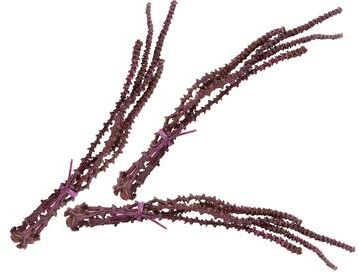
ELK Lifestyle Elk Home Wonderful Life Natural Wood Ornamental AccessoryThe combination of Pomeroy and Old River Road into one unified brand, ELK Lifestyle…. Pomeroy original designs are inspired by the well-traveled explorer, taking cues from around the world.98,00 $*Shipping: 0,00 $Secure redirect to the provider
-
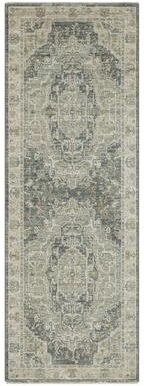
Karastan Grasole Ornamental Area RugWith style influences from across the globe, the designs of Karastan Rugs Echo Collection feature intricate abstract inspired artistry and traditional ornamental accents in rich color palette combinations of indigo, beige, grey, cream, and red, that…349,00 $*Shipping: 0,00 $Secure redirect to the provider


-
Why doesn't ornamental garlic bloom?
Ornamental garlic, also known as Allium, may not bloom for a few reasons. One common reason is that the plant may not be receiving enough sunlight. Allium plants typically require full sun to partial shade to bloom. Another reason could be that the plant is not receiving enough nutrients, particularly phosphorus, which is essential for flower production. Additionally, overwatering or poor soil drainage can also prevent ornamental garlic from blooming. **
-
What is the difference between organic and eco-friendly products?
Organic products are made from ingredients that are grown without the use of synthetic pesticides, herbicides, or fertilizers, and are often certified by a regulatory body. Eco-friendly products, on the other hand, are designed to have minimal impact on the environment throughout their entire lifecycle, from production to disposal. While organic products focus on the natural ingredients used, eco-friendly products consider the overall environmental impact of the product. In essence, organic products focus on the ingredients, while eco-friendly products focus on the entire product lifecycle. **
-
What temperature do ornamental fish need?
Ornamental fish typically need a temperature range of 75-80 degrees Fahrenheit (24-27 degrees Celsius) in their aquarium to thrive. It is important to research the specific temperature requirements of the species of ornamental fish you have to ensure they are kept in the appropriate environment. **
-
How edible is the ornamental apple?
Ornamental apples, such as those from the Malus genus, are generally not considered edible. While they may look similar to edible varieties, ornamental apples are typically smaller, more bitter, and have a higher concentration of toxins. Consuming ornamental apples can lead to stomach upset, nausea, and other gastrointestinal issues. It is best to avoid eating ornamental apples and stick to varieties specifically grown for consumption. **


Can ornamental birds eat suet balls?
Ornamental birds, such as finches and canaries, can eat suet balls in moderation. However, it's important to ensure that the suet balls are free of any additives or preservatives that could be harmful to the birds. Additionally, it's best to offer suet balls as a supplement to their regular diet of seeds, fruits, and vegetables, rather than as their primary source of nutrition. Always monitor the birds' behavior and health when introducing new foods to their diet. **
How do you breed ornamental fish?
Breeding ornamental fish involves creating the right environment for the fish to spawn and caring for the eggs and fry. This typically includes providing the fish with a suitable breeding tank with appropriate water conditions, such as temperature and pH levels. The fish may also need to be conditioned with a proper diet and environment to encourage spawning. Once the eggs are laid, they need to be carefully monitored and protected from predators, and the fry need to be fed and cared for until they are mature enough to be sold or introduced into a larger aquarium. Overall, breeding ornamental fish requires careful attention to the needs of the specific species and dedication to providing the best possible conditions for successful reproduction. **
Top-Angebote
Products related to Ornamental:
-
Uplift Essentials Natural Bamboo Eco Friendly Toothbrush 10 Piece Sustainable Family Pack Natural Bamboo Eco Friendly Toothbrush 10 Piece Sustainable Family PackTransition to a greener routine with this Natural Bamboo Toothbrush Set, a premium collection of bamboo products designed to reduce environmental impact without compromising on performance. Each handle is crafted from 100% sustainable bamboo,...37,97 $*Shipping: 0,00 $Secure redirect to the provider
-
ELK Lifestyle Elk Home Wonderful Life Natural Wood Ornamental AccessoryThe combination of Pomeroy and Old River Road into one unified brand, ELK Lifestyle…. Pomeroy original designs are inspired by the well-traveled explorer, taking cues from around the world.98,00 $*Shipping: 0,00 $Secure redirect to the provider
-
Is ornamental grass toxic?
Ornamental grass is generally not considered toxic to humans or animals. However, some varieties of ornamental grass may cause skin irritation or allergic reactions in sensitive individuals. It's always a good idea to research specific varieties of ornamental grass to understand any potential risks and to take precautions when handling or planting them. If you have pets, it's also important to be aware of any potential risks and to consult with a veterinarian if you have concerns about the safety of ornamental grass for your animals. **
-
Field or ornamental flowers?
It depends on the purpose and location. Field flowers are typically grown for commercial purposes, such as for use in floral arrangements or for their medicinal properties. Ornamental flowers, on the other hand, are grown for their aesthetic appeal and are often used in landscaping and gardening. Both types of flowers have their own unique beauty and benefits, so the choice between field and ornamental flowers ultimately depends on the specific needs and preferences of the grower. **
-
Why doesn't ornamental garlic bloom?
Ornamental garlic, also known as Allium, may not bloom for a few reasons. One common reason is that the plant may not be receiving enough sunlight. Allium plants typically require full sun to partial shade to bloom. Another reason could be that the plant is not receiving enough nutrients, particularly phosphorus, which is essential for flower production. Additionally, overwatering or poor soil drainage can also prevent ornamental garlic from blooming. **
-
What is the difference between organic and eco-friendly products?
Organic products are made from ingredients that are grown without the use of synthetic pesticides, herbicides, or fertilizers, and are often certified by a regulatory body. Eco-friendly products, on the other hand, are designed to have minimal impact on the environment throughout their entire lifecycle, from production to disposal. While organic products focus on the natural ingredients used, eco-friendly products consider the overall environmental impact of the product. In essence, organic products focus on the ingredients, while eco-friendly products focus on the entire product lifecycle. **
Similar search terms for Ornamental
-
Karastan Grasole Ornamental Area RugWith style influences from across the globe, the designs of Karastan Rugs Echo Collection feature intricate abstract inspired artistry and traditional ornamental accents in rich color palette combinations of indigo, beige, grey, cream, and red, that…349,00 $*Shipping: 0,00 $Secure redirect to the provider
-
What temperature do ornamental fish need?
Ornamental fish typically need a temperature range of 75-80 degrees Fahrenheit (24-27 degrees Celsius) in their aquarium to thrive. It is important to research the specific temperature requirements of the species of ornamental fish you have to ensure they are kept in the appropriate environment. **
-
How edible is the ornamental apple?
Ornamental apples, such as those from the Malus genus, are generally not considered edible. While they may look similar to edible varieties, ornamental apples are typically smaller, more bitter, and have a higher concentration of toxins. Consuming ornamental apples can lead to stomach upset, nausea, and other gastrointestinal issues. It is best to avoid eating ornamental apples and stick to varieties specifically grown for consumption. **
-
Can ornamental birds eat suet balls?
Ornamental birds, such as finches and canaries, can eat suet balls in moderation. However, it's important to ensure that the suet balls are free of any additives or preservatives that could be harmful to the birds. Additionally, it's best to offer suet balls as a supplement to their regular diet of seeds, fruits, and vegetables, rather than as their primary source of nutrition. Always monitor the birds' behavior and health when introducing new foods to their diet. **
-
How do you breed ornamental fish?
Breeding ornamental fish involves creating the right environment for the fish to spawn and caring for the eggs and fry. This typically includes providing the fish with a suitable breeding tank with appropriate water conditions, such as temperature and pH levels. The fish may also need to be conditioned with a proper diet and environment to encourage spawning. Once the eggs are laid, they need to be carefully monitored and protected from predators, and the fry need to be fed and cared for until they are mature enough to be sold or introduced into a larger aquarium. Overall, breeding ornamental fish requires careful attention to the needs of the specific species and dedication to providing the best possible conditions for successful reproduction. **
* All prices are inclusive of VAT and, if applicable, plus shipping costs. The offer information is based on the details provided by the respective shop and is updated through automated processes. Real-time updates do not occur, so deviations can occur in individual cases. ** Note: Parts of this content were created by AI.