Buy krton.com ?
We are moving the project
krton.com .
Are you interested in purchasing the domain
krton.com ?
domain@kv-gmbh.de · 0541-91531010
Buy krton.com ?
What is deontology?
Deontology is an ethical theory that focuses on the moral duties and obligations that individuals have. It emphasizes the importance of following rules and principles in making ethical decisions, rather than focusing on the consequences of those decisions. Deontologists believe that certain actions are inherently right or wrong, regardless of the outcomes they produce. This ethical framework is often associated with philosophers like Immanuel Kant, who argued that moral actions should be guided by principles such as the categorical imperative. **
What are the differences between utilitarianism and deontology?
Utilitarianism is a consequentialist ethical theory that focuses on the outcomes or consequences of actions. It emphasizes maximizing overall happiness or well-being for the greatest number of people. On the other hand, deontology is a non-consequentialist ethical theory that emphasizes the inherent rightness or wrongness of actions, regardless of their consequences. Deontology is based on the idea of duty and adherence to moral rules or principles, such as honesty or respect for human dignity. While utilitarianism prioritizes the greatest good for the greatest number, deontology prioritizes the moral principles and duties that guide our actions. **


Similar search terms for Deontology
Top-Angebote
Products related to Deontology:
-
Superior Eco-Friendly Sustainable Cotton 6-Piece Bathroom Towel SetMade with incredibly soft recycled cotton, the Eco-Friendly Sustainable Cotton Bathroom Towel Set is the perfect green addition to any bathroom space. Our sustainable Cotton towels have a lightweight to get you dry quickly after a shower or bath.43,64 $*Shipping: 0,00 $Secure redirect to the provider
-
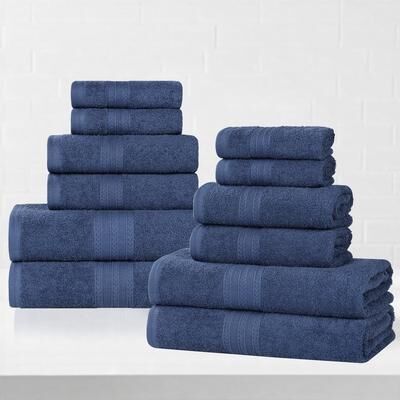
Superior Eco-Friendly Sustainable Cotton 12-Piece Bathroom Towel SetMade with incredibly soft recycled cotton, the Eco-Friendly Sustainable Cotton Bathroom Towel Set is the perfect green addition to any bathroom space. Our sustainable Cotton towels are lightweight to get you dry quickly after a shower or bath.63,19 $*Shipping: 0,00 $Secure redirect to the provider
-
Superior Eco-Friendly Sustainable Cotton 12-Piece Bathroom Towel SetMade with incredibly soft recycled cotton, the Eco-Friendly Sustainable Cotton Bathroom Towel Set is the perfect green addition to any bathroom space. Our sustainable Cotton towels are lightweight to get you dry quickly after a shower or bath.62,31 $*Shipping: 0,00 $Secure redirect to the provider
-
Superior Eco-Friendly Sustainable Cotton 12-Piece Bathroom Towel SetMade with incredibly soft recycled cotton, the Eco-Friendly Sustainable Cotton Bathroom Towel Set is the perfect green addition to any bathroom space. Our sustainable Cotton towels are lightweight to get you dry quickly after a shower or bath.78,56 $*Shipping: 0,00 $Secure redirect to the provider




-
What is the difference between deontology and duty ethics?
Deontology is a broader ethical theory that focuses on the moral principles and rules that guide our actions, while duty ethics is a specific form of deontology that emphasizes the importance of fulfilling one's duties and obligations. Deontology considers the morality of an action based on whether it follows certain rules or principles, while duty ethics specifically emphasizes the importance of fulfilling one's duties and responsibilities, regardless of the consequences. In other words, while deontology looks at the morality of actions based on principles, duty ethics places a strong emphasis on fulfilling one's specific duties and obligations. **
-
What is the difference between organic and eco-friendly products?
Organic products are made from ingredients that are grown without the use of synthetic pesticides, herbicides, or fertilizers, and are often certified by a regulatory body. Eco-friendly products, on the other hand, are designed to have minimal impact on the environment throughout their entire lifecycle, from production to disposal. While organic products focus on the natural ingredients used, eco-friendly products consider the overall environmental impact of the product. In essence, organic products focus on the ingredients, while eco-friendly products focus on the entire product lifecycle. **
-
What are the differences and similarities between eudaimonia and deontology?
Eudaimonia and deontology are both ethical theories, but they differ in their approach. Eudaimonia, often associated with Aristotle, focuses on the concept of human flourishing and living a virtuous life to achieve happiness. Deontology, on the other hand, is a moral theory that emphasizes the importance of following rules and duties to determine what is right or wrong, regardless of the consequences. Both theories aim to guide individuals in making ethical decisions, but eudaimonia is more focused on the overall well-being and character development of a person, while deontology is more concerned with the principles and duties that should be followed in moral decision-making. **
-
Is organic sustainable?
Organic farming practices can be more sustainable than conventional methods in terms of reducing chemical inputs, promoting biodiversity, and improving soil health. However, there are challenges to the scalability and efficiency of organic farming, which can impact its overall sustainability. For example, organic farming typically requires more land and labor to produce the same amount of food as conventional methods, which can limit its ability to meet global food demand. Additionally, the transportation and distribution of organic products can have a higher environmental impact due to their shorter shelf life and the need for refrigeration. Overall, while organic farming has many sustainable benefits, there are also limitations to its long-term sustainability on a large scale. **

Why don't eco-friendly women shave?
Eco-friendly women may choose not to shave for a variety of reasons related to sustainability and environmental impact. Shaving requires the use of disposable razors, which contribute to plastic waste in landfills. Additionally, the production and transportation of shaving products can have a significant carbon footprint. By opting not to shave, eco-friendly women can reduce their personal contribution to waste and carbon emissions, aligning with their values of environmental conservation. **
Can someone give me an example where I have to decide whether it is utilitarianism or deontology?
Sure! Let's say you are a doctor and you have a patient who needs a life-saving medication. However, the medication is extremely expensive and the patient cannot afford it. In this situation, you have to decide whether to prioritize the patient's well-being (utilitarianism) by providing the medication regardless of cost, or to adhere to the principle of fairness and justice (deontology) by following the hospital's policy on financial constraints and not providing the medication. This dilemma forces you to consider the consequences of your actions on the patient's well-being (utilitarianism) versus the moral duty to follow rules and principles (deontology). **
Top-Angebote
Products related to Deontology:
-
Uplift Essentials Natural Bamboo Eco Friendly Toothbrush 10 Piece Sustainable Family Pack Natural Bamboo Eco Friendly Toothbrush 10 Piece Sustainable Family PackTransition to a greener routine with this Natural Bamboo Toothbrush Set, a premium collection of bamboo products designed to reduce environmental impact without compromising on performance. Each handle is crafted from 100% sustainable bamboo,...37,97 $*Shipping: 0,00 $Secure redirect to the provider
-
Superior Eco-Friendly Sustainable Cotton 12-Piece Bathroom Towel SetMade with incredibly soft recycled cotton, the Eco-Friendly Sustainable Cotton Bathroom Towel Set is the perfect green addition to any bathroom space. Our sustainable Cotton towels are lightweight to get you dry quickly after a shower or bath.76,62 $*Shipping: 0,00 $Secure redirect to the provider
-
Superior Eco-Friendly Sustainable Cotton 6-Piece Bathroom Towel SetMade with incredibly soft recycled cotton, the Eco-Friendly Sustainable Cotton Bathroom Towel Set is the perfect green addition to any bathroom space. Our sustainable Cotton towels have a lightweight to get you dry quickly after a shower or bath.43,64 $*Shipping: 0,00 $Secure redirect to the provider
-
Superior Eco-Friendly Sustainable Cotton 12-Piece Bathroom Towel SetMade with incredibly soft recycled cotton, the Eco-Friendly Sustainable Cotton Bathroom Towel Set is the perfect green addition to any bathroom space. Our sustainable Cotton towels are lightweight to get you dry quickly after a shower or bath.63,19 $*Shipping: 0,00 $Secure redirect to the provider
-
What is deontology?
Deontology is an ethical theory that focuses on the moral duties and obligations that individuals have. It emphasizes the importance of following rules and principles in making ethical decisions, rather than focusing on the consequences of those decisions. Deontologists believe that certain actions are inherently right or wrong, regardless of the outcomes they produce. This ethical framework is often associated with philosophers like Immanuel Kant, who argued that moral actions should be guided by principles such as the categorical imperative. **
-
What are the differences between utilitarianism and deontology?
Utilitarianism is a consequentialist ethical theory that focuses on the outcomes or consequences of actions. It emphasizes maximizing overall happiness or well-being for the greatest number of people. On the other hand, deontology is a non-consequentialist ethical theory that emphasizes the inherent rightness or wrongness of actions, regardless of their consequences. Deontology is based on the idea of duty and adherence to moral rules or principles, such as honesty or respect for human dignity. While utilitarianism prioritizes the greatest good for the greatest number, deontology prioritizes the moral principles and duties that guide our actions. **
-
What is the difference between deontology and duty ethics?
Deontology is a broader ethical theory that focuses on the moral principles and rules that guide our actions, while duty ethics is a specific form of deontology that emphasizes the importance of fulfilling one's duties and obligations. Deontology considers the morality of an action based on whether it follows certain rules or principles, while duty ethics specifically emphasizes the importance of fulfilling one's duties and responsibilities, regardless of the consequences. In other words, while deontology looks at the morality of actions based on principles, duty ethics places a strong emphasis on fulfilling one's specific duties and obligations. **
-
What is the difference between organic and eco-friendly products?
Organic products are made from ingredients that are grown without the use of synthetic pesticides, herbicides, or fertilizers, and are often certified by a regulatory body. Eco-friendly products, on the other hand, are designed to have minimal impact on the environment throughout their entire lifecycle, from production to disposal. While organic products focus on the natural ingredients used, eco-friendly products consider the overall environmental impact of the product. In essence, organic products focus on the ingredients, while eco-friendly products focus on the entire product lifecycle. **
Similar search terms for Deontology
-
Superior Eco-Friendly Sustainable Cotton 12-Piece Bathroom Towel SetMade with incredibly soft recycled cotton, the Eco-Friendly Sustainable Cotton Bathroom Towel Set is the perfect green addition to any bathroom space. Our sustainable Cotton towels are lightweight to get you dry quickly after a shower or bath.62,31 $*Shipping: 0,00 $Secure redirect to the provider
-
Superior Eco-Friendly Sustainable Cotton 12-Piece Bathroom Towel SetMade with incredibly soft recycled cotton, the Eco-Friendly Sustainable Cotton Bathroom Towel Set is the perfect green addition to any bathroom space. Our sustainable Cotton towels are lightweight to get you dry quickly after a shower or bath.78,56 $*Shipping: 0,00 $Secure redirect to the provider
-
Superior Eco-Friendly Sustainable Cotton 12-Piece Bathroom Towel SetMade with incredibly soft recycled cotton, the Eco-Friendly Sustainable Cotton Bathroom Towel Set is the perfect green addition to any bathroom space. Our sustainable Cotton towels are lightweight to get you dry quickly after a shower or bath.61,90 $*Shipping: 0,00 $Secure redirect to the provider
-
Superior Eco-Friendly Sustainable Cotton 12-Piece Bathroom Towel SetMade with incredibly soft recycled cotton, the Eco-Friendly Sustainable Cotton Bathroom Towel Set is the perfect green addition to any bathroom space. Our sustainable Cotton towels are lightweight to get you dry quickly after a shower or bath.62,91 $*Shipping: 0,00 $Secure redirect to the provider
-
What are the differences and similarities between eudaimonia and deontology?
Eudaimonia and deontology are both ethical theories, but they differ in their approach. Eudaimonia, often associated with Aristotle, focuses on the concept of human flourishing and living a virtuous life to achieve happiness. Deontology, on the other hand, is a moral theory that emphasizes the importance of following rules and duties to determine what is right or wrong, regardless of the consequences. Both theories aim to guide individuals in making ethical decisions, but eudaimonia is more focused on the overall well-being and character development of a person, while deontology is more concerned with the principles and duties that should be followed in moral decision-making. **
-
Is organic sustainable?
Organic farming practices can be more sustainable than conventional methods in terms of reducing chemical inputs, promoting biodiversity, and improving soil health. However, there are challenges to the scalability and efficiency of organic farming, which can impact its overall sustainability. For example, organic farming typically requires more land and labor to produce the same amount of food as conventional methods, which can limit its ability to meet global food demand. Additionally, the transportation and distribution of organic products can have a higher environmental impact due to their shorter shelf life and the need for refrigeration. Overall, while organic farming has many sustainable benefits, there are also limitations to its long-term sustainability on a large scale. **
-
Why don't eco-friendly women shave?
Eco-friendly women may choose not to shave for a variety of reasons related to sustainability and environmental impact. Shaving requires the use of disposable razors, which contribute to plastic waste in landfills. Additionally, the production and transportation of shaving products can have a significant carbon footprint. By opting not to shave, eco-friendly women can reduce their personal contribution to waste and carbon emissions, aligning with their values of environmental conservation. **
-
Can someone give me an example where I have to decide whether it is utilitarianism or deontology?
Sure! Let's say you are a doctor and you have a patient who needs a life-saving medication. However, the medication is extremely expensive and the patient cannot afford it. In this situation, you have to decide whether to prioritize the patient's well-being (utilitarianism) by providing the medication regardless of cost, or to adhere to the principle of fairness and justice (deontology) by following the hospital's policy on financial constraints and not providing the medication. This dilemma forces you to consider the consequences of your actions on the patient's well-being (utilitarianism) versus the moral duty to follow rules and principles (deontology). **
* All prices are inclusive of VAT and, if applicable, plus shipping costs. The offer information is based on the details provided by the respective shop and is updated through automated processes. Real-time updates do not occur, so deviations can occur in individual cases. ** Note: Parts of this content were created by AI.