Buy krton.com ?
We are moving the project
krton.com .
Are you interested in purchasing the domain
krton.com ?
domain@kv-gmbh.de · 0541-91531010
Buy krton.com ?
Which animal dug?
The animal that dug was the mole. Moles are known for their exceptional digging abilities, using their strong front limbs and sharp claws to create intricate tunnel systems underground. They dig to create burrows for shelter, find food such as insects and worms, and to travel safely without being exposed to predators. **
Which animal has dug?
The animal that has dug is most likely a mole. Moles are known for their exceptional digging abilities, using their powerful front limbs and sharp claws to create intricate tunnel systems underground. These tunnels help them search for food such as earthworms and insects, while also providing protection from predators. Moles are well-adapted for a subterranean lifestyle and are highly skilled at digging. **
Similar search terms for Dug
Top-Angebote
Products related to Dug:
-
Superior Eco-Friendly Sustainable Cotton 12-Piece Bathroom Towel SetMade with incredibly soft recycled cotton, the Eco-Friendly Sustainable Cotton Bathroom Towel Set is the perfect green addition to any bathroom space. Our sustainable Cotton towels are lightweight to get you dry quickly after a shower or bath.74,25 $*Shipping: 0,00 $Secure redirect to the provider
-
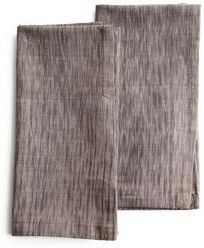
"TIMELESS Organic Cotton Napkins - Handmade, Fair Trade, Eco-Dyed by Sustainable Threads - 20""x20"" (Set of 2)"TIMELESS Collection Handwoven Organic Cotton Napkins - Set of 2 Classic and enduring, these yarn-dyed, handwoven napkins are crafted from indigenous, drought-resistant organic cotton using traditional handspun and botanical dye methods.64,00 $*Shipping: 0,00 $Secure redirect to the provider



-
Which animal dug this burrow?
Based on the size and shape of the burrow, it is likely that a rabbit dug this burrow. Rabbits are known for creating burrows with a single entrance and a network of tunnels underground. The size of the burrow suggests it was made by a small to medium-sized animal, which aligns with the size of a rabbit. Additionally, the presence of nearby vegetation and grass is also indicative of a rabbit burrow, as they often build their homes close to a food source. **
-
Which animal dug this tunnel?
Without more specific information or evidence, it is difficult to determine which animal dug the tunnel. However, some common tunnel-digging animals include moles, groundhogs, rabbits, and some species of rodents. Each of these animals has distinct digging habits and tunnel structures, so it may be possible to make an educated guess based on the size and shape of the tunnel, as well as the surrounding environment. If there are tracks or other signs nearby, these could also provide clues as to which animal may have dug the tunnel. **
-
Which animal dug the hole?
Without more information or context, it is impossible to determine which animal dug the hole. There are many animals that dig holes, including rabbits, groundhogs, moles, and even some birds. The size and shape of the hole, as well as its location, could provide clues as to which animal may have been responsible. If there are tracks or other signs nearby, these could also help identify the culprit. **
-
How many tunnels will be dug?
A total of three tunnels will be dug. **


What is the difference between organic and eco-friendly products?
Organic products are made from ingredients that are grown without the use of synthetic pesticides, herbicides, or fertilizers, and are often certified by a regulatory body. Eco-friendly products, on the other hand, are designed to have minimal impact on the environment throughout their entire lifecycle, from production to disposal. While organic products focus on the natural ingredients used, eco-friendly products consider the overall environmental impact of the product. In essence, organic products focus on the ingredients, while eco-friendly products focus on the entire product lifecycle. **
How deep should the stream be dug?
The depth of the stream should be dug to a level that allows for proper water flow and drainage. Typically, a depth of around 1-2 feet should be sufficient for most streams. However, the exact depth may vary depending on the specific needs of the area and the volume of water that needs to be accommodated. It is important to consider factors such as soil type, slope of the land, and potential sources of water when determining the appropriate depth for digging the stream. **
Top-Angebote
Products related to Dug:
-
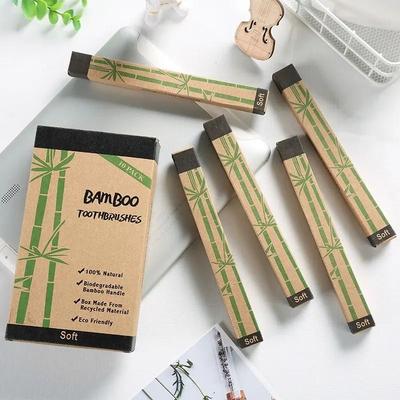
Uplift Essentials Natural Bamboo Eco Friendly Toothbrush 10 Piece Sustainable Family Pack Natural Bamboo Eco Friendly Toothbrush 10 Piece Sustainable Family PackTransition to a greener routine with this Natural Bamboo Toothbrush Set, a premium collection of bamboo products designed to reduce environmental impact without compromising on performance. Each handle is crafted from 100% sustainable bamboo,...37,97 $*Shipping: 0,00 $Secure redirect to the provider
-
"TIMELESS Organic Cotton Napkins - Handmade, Fair Trade, Eco-Dyed by Sustainable Threads - 20""x20"" (Set of 2)"TIMELESS Collection Handwoven Organic Cotton Napkins - Set of 2 Classic and enduring, these yarn-dyed, handwoven napkins are crafted from indigenous, drought-resistant organic cotton using traditional handspun and botanical dye methods.64,00 $*Shipping: 0,00 $Secure redirect to the provider
-
Superior Eco-Friendly Sustainable Cotton 12-Piece Bathroom Towel SetMade with incredibly soft recycled cotton, the Eco-Friendly Sustainable Cotton Bathroom Towel Set is the perfect green addition to any bathroom space. Our sustainable Cotton towels are lightweight to get you dry quickly after a shower or bath.74,25 $*Shipping: 0,00 $Secure redirect to the provider
-
"TIMELESS Organic Cotton Napkins - Handmade, Fair Trade, Eco-Dyed by Sustainable Threads - 20""x20"" (Set of 2)"TIMELESS Collection Handwoven Organic Cotton Napkins - Set of 2 Classic and enduring, these yarn-dyed, handwoven napkins are crafted from indigenous, drought-resistant organic cotton using traditional handspun and botanical dye methods.64,00 $*Shipping: 0,00 $Secure redirect to the provider
-
Which animal dug?
The animal that dug was the mole. Moles are known for their exceptional digging abilities, using their strong front limbs and sharp claws to create intricate tunnel systems underground. They dig to create burrows for shelter, find food such as insects and worms, and to travel safely without being exposed to predators. **
-
Which animal has dug?
The animal that has dug is most likely a mole. Moles are known for their exceptional digging abilities, using their powerful front limbs and sharp claws to create intricate tunnel systems underground. These tunnels help them search for food such as earthworms and insects, while also providing protection from predators. Moles are well-adapted for a subterranean lifestyle and are highly skilled at digging. **
-
Which animal dug this burrow?
Based on the size and shape of the burrow, it is likely that a rabbit dug this burrow. Rabbits are known for creating burrows with a single entrance and a network of tunnels underground. The size of the burrow suggests it was made by a small to medium-sized animal, which aligns with the size of a rabbit. Additionally, the presence of nearby vegetation and grass is also indicative of a rabbit burrow, as they often build their homes close to a food source. **
-
Which animal dug this tunnel?
Without more specific information or evidence, it is difficult to determine which animal dug the tunnel. However, some common tunnel-digging animals include moles, groundhogs, rabbits, and some species of rodents. Each of these animals has distinct digging habits and tunnel structures, so it may be possible to make an educated guess based on the size and shape of the tunnel, as well as the surrounding environment. If there are tracks or other signs nearby, these could also provide clues as to which animal may have dug the tunnel. **
Similar search terms for Dug
-
"TIMELESS Organic Cotton Napkins - Handmade, Fair Trade, Eco-Dyed by Sustainable Threads - 20""x20"" (Set of 2)"TIMELESS Collection Handwoven Organic Cotton Napkins - Set of 2 Classic and enduring, these yarn-dyed, handwoven napkins are crafted from indigenous, drought-resistant organic cotton using traditional handspun and botanical dye methods.64,00 $*Shipping: 0,00 $Secure redirect to the provider
-
Superior Eco-Friendly Sustainable Cotton 12-Piece Bathroom Towel SetMade with incredibly soft recycled cotton, the Eco-Friendly Sustainable Cotton Bathroom Towel Set is the perfect green addition to any bathroom space. Our sustainable Cotton towels are lightweight to get you dry quickly after a shower or bath.63,19 $*Shipping: 0,00 $Secure redirect to the provider
-
Superior Eco-Friendly Sustainable Cotton 12-Piece Bathroom Towel SetMade with incredibly soft recycled cotton, the Eco-Friendly Sustainable Cotton Bathroom Towel Set is the perfect green addition to any bathroom space. Our sustainable Cotton towels are lightweight to get you dry quickly after a shower or bath.64,59 $*Shipping: 0,00 $Secure redirect to the provider
-
Which animal dug the hole?
Without more information or context, it is impossible to determine which animal dug the hole. There are many animals that dig holes, including rabbits, groundhogs, moles, and even some birds. The size and shape of the hole, as well as its location, could provide clues as to which animal may have been responsible. If there are tracks or other signs nearby, these could also help identify the culprit. **
-
How many tunnels will be dug?
A total of three tunnels will be dug. **
-
What is the difference between organic and eco-friendly products?
Organic products are made from ingredients that are grown without the use of synthetic pesticides, herbicides, or fertilizers, and are often certified by a regulatory body. Eco-friendly products, on the other hand, are designed to have minimal impact on the environment throughout their entire lifecycle, from production to disposal. While organic products focus on the natural ingredients used, eco-friendly products consider the overall environmental impact of the product. In essence, organic products focus on the ingredients, while eco-friendly products focus on the entire product lifecycle. **
-
How deep should the stream be dug?
The depth of the stream should be dug to a level that allows for proper water flow and drainage. Typically, a depth of around 1-2 feet should be sufficient for most streams. However, the exact depth may vary depending on the specific needs of the area and the volume of water that needs to be accommodated. It is important to consider factors such as soil type, slope of the land, and potential sources of water when determining the appropriate depth for digging the stream. **
* All prices are inclusive of VAT and, if applicable, plus shipping costs. The offer information is based on the details provided by the respective shop and is updated through automated processes. Real-time updates do not occur, so deviations can occur in individual cases. ** Note: Parts of this content were created by AI.