Buy krton.com ?
We are moving the project
krton.com .
Are you interested in purchasing the domain
krton.com ?
domain@kv-gmbh.de · 0541-91531010
Buy krton.com ?
What is the correct grammatical form of "laisser qn faire qc" and "faire qn faire qc"?
The correct grammatical form of "laisser qn faire qc" is to let someone do something. This construction uses the verb "laisser" (to let) followed by a person (qn) and an action (qc). On the other hand, the correct grammatical form of "faire qn faire qc" is to make someone do something. This construction uses the verb "faire" (to make) followed by a person (qn) and an action (qc) that they are being made to do. **
How do you form "venir de faire" and "être en train de faire"?
"Venir de faire" is formed by conjugating the verb "venir" in the present tense followed by the preposition "de" and the infinitive of the verb you want to express has just been done. For example, "Je viens de manger" means "I have just eaten." "Être en train de faire" is formed by conjugating the verb "être" in the present tense followed by the preposition "en train de" and the infinitive of the verb you want to express is currently being done. For example, "Je suis en train de manger" means "I am currently eating." **
Similar search terms for Faire
Top-Angebote
Products related to Faire:
-
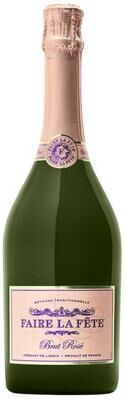
"""Faire La Fete""" """Faire La Fete Brut Rose Champagne - France""""""Faire La Fête Brut Rosé is from Limoux, France. A blend of Chardonnay, Chenin Blanc and Pinot Noir, the wine is made in the traditional way, méthode traditionnelle, and aged on the lees for 15+ months before release. It is coral in color with..."25,97 $*Shipping: 0,00 $Secure redirect to the provider
-
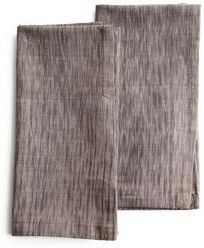
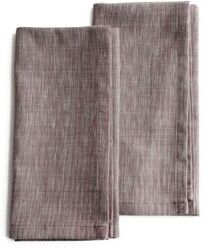
"TIMELESS Organic Cotton Napkins - Handmade, Fair Trade, Eco-Dyed by Sustainable Threads - 20""x20"" (Set of 2)"TIMELESS Collection Handwoven Organic Cotton Napkins - Set of 2 Classic and enduring, these yarn-dyed, handwoven napkins are crafted from indigenous, drought-resistant organic cotton using traditional handspun and botanical dye methods.64,00 $*Shipping: 0,00 $Secure redirect to the provider
-
Superior Eco-Friendly Sustainable Cotton 12-Piece Bathroom Towel SetMade with incredibly soft recycled cotton, the Eco-Friendly Sustainable Cotton Bathroom Towel Set is the perfect green addition to any bathroom space. Our sustainable Cotton towels are lightweight to get you dry quickly after a shower or bath.76,62 $*Shipping: 0,00 $Secure redirect to the provider
-
"TIMELESS Organic Cotton Napkins - Handmade, Fair Trade, Eco-Dyed by Sustainable Threads - 20""x20"" (Set of 2)"TIMELESS Collection Handwoven Organic Cotton Napkins - Set of 2 Classic and enduring, these yarn-dyed, handwoven napkins are crafted from indigenous, drought-resistant organic cotton using traditional handspun and botanical dye methods.64,00 $*Shipping: 0,00 $Secure redirect to the provider


-
What does "laisser faire" mean?
"Laisser faire" is a French term that translates to "let do" or "let it be." It is often used in the context of economics and politics to refer to a policy of minimal government intervention in the economy. This approach advocates for free markets, limited regulation, and non-interference by the government in economic activities. The idea is that the economy will function most efficiently when left to its own devices, without excessive government control. **
-
What is the policy of laissez-faire?
Laissez-faire is an economic policy that advocates for minimal government intervention in the economy. It promotes the idea that markets should be allowed to operate freely without government interference, believing that this will lead to the most efficient allocation of resources and optimal economic outcomes. Laissez-faire policies typically involve limited regulations, low taxes, and free trade. This approach is often associated with classical liberal economic theory and is based on the belief that individuals and businesses acting in their own self-interest will ultimately benefit society as a whole. **
-
How is "attendre" conjugated differently from "faire"?
The verb "attendre" is conjugated differently from "faire" because they belong to different verb groups in French. "Attendre" is a regular -re verb, so it follows a different conjugation pattern than "faire," which is an irregular verb. For example, in the present tense, "attendre" is conjugated as j'attends, tu attends, il/elle/on attend, nous attendons, vous attendez, ils/elles attendent, while "faire" is conjugated as je fais, tu fais, il/elle/on fait, nous faisons, vous faites, ils/elles font. **
-
How is "attendre" conjugated differently than "faire"?
The verb "attendre" is conjugated differently than "faire" because they belong to different verb groups. "Attendre" is a regular -re verb, so its conjugation follows the pattern of other -re verbs like "vendre" or "rendre." On the other hand, "faire" is an irregular verb, so its conjugation does not follow a specific pattern and must be memorized. Additionally, "attendre" and "faire" have different endings and stem changes in their conjugations, further distinguishing their conjugation patterns. **

What is the difference between organic and eco-friendly products?
Organic products are made from ingredients that are grown without the use of synthetic pesticides, herbicides, or fertilizers, and are often certified by a regulatory body. Eco-friendly products, on the other hand, are designed to have minimal impact on the environment throughout their entire lifecycle, from production to disposal. While organic products focus on the natural ingredients used, eco-friendly products consider the overall environmental impact of the product. In essence, organic products focus on the ingredients, while eco-friendly products focus on the entire product lifecycle. **
What is the correct grammatical formulation in French for "venir de faire qc" and "être en train de faire qc"?
The correct grammatical formulation in French for "venir de faire qc" is to use the verb "venir" in the present tense followed by the preposition "de" and then the infinitive form of the verb. For example, "Je viens de manger" (I have just eaten). The correct grammatical formulation in French for "être en train de faire qc" is to use the verb "être" in the present tense followed by the preposition "en train de" and then the infinitive form of the verb. For example, "Je suis en train de manger" (I am in the process of eating). **
Top-Angebote
Products related to Faire:
-
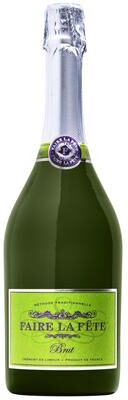
"""Faire La Fete""" """Faire La Fete Brut Champagne - France""""""A blend of Chardonnay, Chenin Blanc and Pinot Noir, Faire La Fête Brut is made in the méthode traditionnelle and aged on the lees for 15 months before release. It is a light golden in color with vibrant aromas and flavors of baked apple, white..."24,97 $*Shipping: 0,00 $Secure redirect to the provider
-
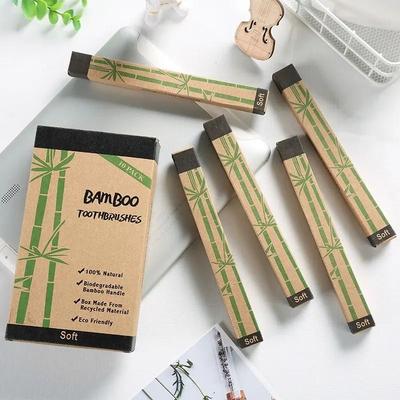
Uplift Essentials Natural Bamboo Eco Friendly Toothbrush 10 Piece Sustainable Family Pack Natural Bamboo Eco Friendly Toothbrush 10 Piece Sustainable Family PackTransition to a greener routine with this Natural Bamboo Toothbrush Set, a premium collection of bamboo products designed to reduce environmental impact without compromising on performance. Each handle is crafted from 100% sustainable bamboo,...37,97 $*Shipping: 0,00 $Secure redirect to the provider
-
"""Faire La Fete""" """Faire La Fete Brut Rose Champagne - France""""""Faire La Fête Brut Rosé is from Limoux, France. A blend of Chardonnay, Chenin Blanc and Pinot Noir, the wine is made in the traditional way, méthode traditionnelle, and aged on the lees for 15+ months before release. It is coral in color with..."25,97 $*Shipping: 0,00 $Secure redirect to the provider
-
"TIMELESS Organic Cotton Napkins - Handmade, Fair Trade, Eco-Dyed by Sustainable Threads - 20""x20"" (Set of 2)"TIMELESS Collection Handwoven Organic Cotton Napkins - Set of 2 Classic and enduring, these yarn-dyed, handwoven napkins are crafted from indigenous, drought-resistant organic cotton using traditional handspun and botanical dye methods.64,00 $*Shipping: 0,00 $Secure redirect to the provider
-
What is the correct grammatical form of "laisser qn faire qc" and "faire qn faire qc"?
The correct grammatical form of "laisser qn faire qc" is to let someone do something. This construction uses the verb "laisser" (to let) followed by a person (qn) and an action (qc). On the other hand, the correct grammatical form of "faire qn faire qc" is to make someone do something. This construction uses the verb "faire" (to make) followed by a person (qn) and an action (qc) that they are being made to do. **
-
How do you form "venir de faire" and "être en train de faire"?
"Venir de faire" is formed by conjugating the verb "venir" in the present tense followed by the preposition "de" and the infinitive of the verb you want to express has just been done. For example, "Je viens de manger" means "I have just eaten." "Être en train de faire" is formed by conjugating the verb "être" in the present tense followed by the preposition "en train de" and the infinitive of the verb you want to express is currently being done. For example, "Je suis en train de manger" means "I am currently eating." **
-
What does "laisser faire" mean?
"Laisser faire" is a French term that translates to "let do" or "let it be." It is often used in the context of economics and politics to refer to a policy of minimal government intervention in the economy. This approach advocates for free markets, limited regulation, and non-interference by the government in economic activities. The idea is that the economy will function most efficiently when left to its own devices, without excessive government control. **
-
What is the policy of laissez-faire?
Laissez-faire is an economic policy that advocates for minimal government intervention in the economy. It promotes the idea that markets should be allowed to operate freely without government interference, believing that this will lead to the most efficient allocation of resources and optimal economic outcomes. Laissez-faire policies typically involve limited regulations, low taxes, and free trade. This approach is often associated with classical liberal economic theory and is based on the belief that individuals and businesses acting in their own self-interest will ultimately benefit society as a whole. **
Similar search terms for Faire
-
Superior Eco-Friendly Sustainable Cotton 12-Piece Bathroom Towel SetMade with incredibly soft recycled cotton, the Eco-Friendly Sustainable Cotton Bathroom Towel Set is the perfect green addition to any bathroom space. Our sustainable Cotton towels are lightweight to get you dry quickly after a shower or bath.76,62 $*Shipping: 0,00 $Secure redirect to the provider
-
"TIMELESS Organic Cotton Napkins - Handmade, Fair Trade, Eco-Dyed by Sustainable Threads - 20""x20"" (Set of 2)"TIMELESS Collection Handwoven Organic Cotton Napkins - Set of 2 Classic and enduring, these yarn-dyed, handwoven napkins are crafted from indigenous, drought-resistant organic cotton using traditional handspun and botanical dye methods.64,00 $*Shipping: 0,00 $Secure redirect to the provider
-
How is "attendre" conjugated differently from "faire"?
The verb "attendre" is conjugated differently from "faire" because they belong to different verb groups in French. "Attendre" is a regular -re verb, so it follows a different conjugation pattern than "faire," which is an irregular verb. For example, in the present tense, "attendre" is conjugated as j'attends, tu attends, il/elle/on attend, nous attendons, vous attendez, ils/elles attendent, while "faire" is conjugated as je fais, tu fais, il/elle/on fait, nous faisons, vous faites, ils/elles font. **
-
How is "attendre" conjugated differently than "faire"?
The verb "attendre" is conjugated differently than "faire" because they belong to different verb groups. "Attendre" is a regular -re verb, so its conjugation follows the pattern of other -re verbs like "vendre" or "rendre." On the other hand, "faire" is an irregular verb, so its conjugation does not follow a specific pattern and must be memorized. Additionally, "attendre" and "faire" have different endings and stem changes in their conjugations, further distinguishing their conjugation patterns. **
-
What is the difference between organic and eco-friendly products?
Organic products are made from ingredients that are grown without the use of synthetic pesticides, herbicides, or fertilizers, and are often certified by a regulatory body. Eco-friendly products, on the other hand, are designed to have minimal impact on the environment throughout their entire lifecycle, from production to disposal. While organic products focus on the natural ingredients used, eco-friendly products consider the overall environmental impact of the product. In essence, organic products focus on the ingredients, while eco-friendly products focus on the entire product lifecycle. **
-
What is the correct grammatical formulation in French for "venir de faire qc" and "être en train de faire qc"?
The correct grammatical formulation in French for "venir de faire qc" is to use the verb "venir" in the present tense followed by the preposition "de" and then the infinitive form of the verb. For example, "Je viens de manger" (I have just eaten). The correct grammatical formulation in French for "être en train de faire qc" is to use the verb "être" in the present tense followed by the preposition "en train de" and then the infinitive form of the verb. For example, "Je suis en train de manger" (I am in the process of eating). **
* All prices are inclusive of VAT and, if applicable, plus shipping costs. The offer information is based on the details provided by the respective shop and is updated through automated processes. Real-time updates do not occur, so deviations can occur in individual cases. ** Note: Parts of this content were created by AI.