Buy krton.com ?
We are moving the project
krton.com .
Are you interested in purchasing the domain
krton.com ?
domain@kv-gmbh.de · 0541-91531010
Buy krton.com ?
What is the difference between organic and eco-friendly products?
Organic products are made from ingredients that are grown without the use of synthetic pesticides, herbicides, or fertilizers, and are often certified by a regulatory body. Eco-friendly products, on the other hand, are designed to have minimal impact on the environment throughout their entire lifecycle, from production to disposal. While organic products focus on the natural ingredients used, eco-friendly products consider the overall environmental impact of the product. In essence, organic products focus on the ingredients, while eco-friendly products focus on the entire product lifecycle. **
Are Kurds pro-Israeli and do Kurds hate Arabs?
The relationship between Kurds and Israel is complex and varies among different Kurdish groups. Some Kurds have expressed support for Israel due to shared experiences of persecution and a desire for self-determination. However, not all Kurds hold pro-Israeli views, and opinions on the matter can be diverse. As for the relationship between Kurds and Arabs, it is important to note that attitudes can vary among individuals and are not uniform across the Kurdish population. While there may be tensions between some Kurds and Arabs, it is not accurate to say that all Kurds hate Arabs. **
Similar search terms for Kurds
Top-Angebote
Products related to Kurds:
-
Superior Eco-Friendly Sustainable Cotton 12-Piece Bathroom Towel SetMade with incredibly soft recycled cotton, the Eco-Friendly Sustainable Cotton Bathroom Towel Set is the perfect green addition to any bathroom space. Our sustainable Cotton towels are lightweight to get you dry quickly after a shower or bath.76,62 $*Shipping: 0,00 $Secure redirect to the provider
-
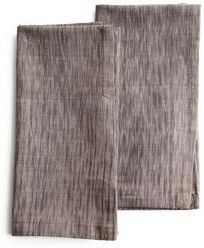
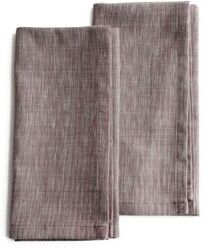
"TIMELESS Organic Cotton Napkins - Handmade, Fair Trade, Eco-Dyed by Sustainable Threads - 20""x20"" (Set of 2)"TIMELESS Collection Handwoven Organic Cotton Napkins - Set of 2 Classic and enduring, these yarn-dyed, handwoven napkins are crafted from indigenous, drought-resistant organic cotton using traditional handspun and botanical dye methods.64,00 $*Shipping: 0,00 $Secure redirect to the provider



-
Are Kurds Semitic?
No, Kurds are not Semitic. The Kurdish people are an ethnic group with their own distinct language and culture, and they are not considered to be Semitic. The Kurdish language, Kurdish, is part of the Iranian branch of the Indo-European language family, which is different from the Semitic language family that includes languages like Arabic and Hebrew. Therefore, Kurds are not considered to be Semitic. **
-
Are Kurds Semites?
No, Kurds are not Semites. The Kurds are an ethnic group indigenous to the Middle East, primarily inhabiting a region known as Kurdistan, which spans across parts of Turkey, Iran, Iraq, and Syria. They have their own distinct language and culture, which is not Semitic in origin. Semites, on the other hand, are a group of peoples who speak Semitic languages, such as Arabic and Hebrew, and are traditionally associated with the Middle East. **
-
Are Yazidis Kurds?
Yes, the Yazidis are an ethnoreligious group that is predominantly Kurdish. They speak Kurdish and have historically lived in Kurdish regions of Iraq, Syria, and Turkey. The Yazidis have their own distinct religious beliefs and practices, but they are considered to be part of the Kurdish ethnic group. **
-
Are Kurds Gypsies?
No, Kurds are not Gypsies. Kurds are an ethnic group with their own distinct language, culture, and history, primarily located in the Middle East, including parts of Turkey, Iraq, Iran, and Syria. Gypsies, also known as Roma, are a separate ethnic group with their own distinct culture and history, primarily located in Europe. It is important to recognize and respect the unique identities and histories of both the Kurdish and Romani people. **


Aren't Yazidis Kurds?
Yes, the Yazidis are an ethno-religious group that is predominantly Kurdish. They speak Kurdish and have historically lived in the same regions as the Kurdish people. However, the Yazidis have their own distinct religious beliefs and practices that set them apart from other Kurdish groups. While the majority of Yazidis are Kurdish, not all Kurds are Yazidi. **
Are Kurds Christians?
Kurds are not exclusively Christians. The Kurdish population is diverse, with the majority being Sunni Muslims, but there are also Kurds who practice other religions such as Yazidism, Alevism, and Christianity. In fact, there is a small Christian minority among the Kurds, particularly in countries like Iraq, Syria, and Turkey. **
Top-Angebote
Products related to Kurds:
-
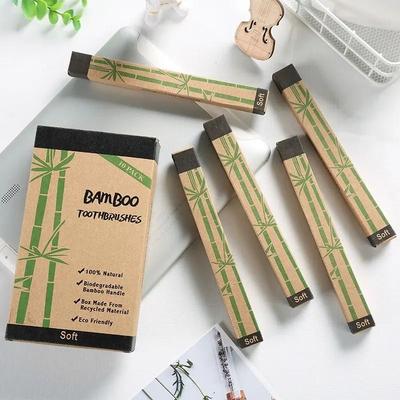
Uplift Essentials Natural Bamboo Eco Friendly Toothbrush 10 Piece Sustainable Family Pack Natural Bamboo Eco Friendly Toothbrush 10 Piece Sustainable Family PackTransition to a greener routine with this Natural Bamboo Toothbrush Set, a premium collection of bamboo products designed to reduce environmental impact without compromising on performance. Each handle is crafted from 100% sustainable bamboo,...37,97 $*Shipping: 0,00 $Secure redirect to the provider
-
"TIMELESS Organic Cotton Napkins - Handmade, Fair Trade, Eco-Dyed by Sustainable Threads - 20""x20"" (Set of 2)"TIMELESS Collection Handwoven Organic Cotton Napkins - Set of 2 Classic and enduring, these yarn-dyed, handwoven napkins are crafted from indigenous, drought-resistant organic cotton using traditional handspun and botanical dye methods.64,00 $*Shipping: 0,00 $Secure redirect to the provider
-
Superior Eco-Friendly Sustainable Cotton 12-Piece Bathroom Towel SetMade with incredibly soft recycled cotton, the Eco-Friendly Sustainable Cotton Bathroom Towel Set is the perfect green addition to any bathroom space. Our sustainable Cotton towels are lightweight to get you dry quickly after a shower or bath.76,62 $*Shipping: 0,00 $Secure redirect to the provider
-
"TIMELESS Organic Cotton Napkins - Handmade, Fair Trade, Eco-Dyed by Sustainable Threads - 20""x20"" (Set of 2)"TIMELESS Collection Handwoven Organic Cotton Napkins - Set of 2 Classic and enduring, these yarn-dyed, handwoven napkins are crafted from indigenous, drought-resistant organic cotton using traditional handspun and botanical dye methods.64,00 $*Shipping: 0,00 $Secure redirect to the provider
-
What is the difference between organic and eco-friendly products?
Organic products are made from ingredients that are grown without the use of synthetic pesticides, herbicides, or fertilizers, and are often certified by a regulatory body. Eco-friendly products, on the other hand, are designed to have minimal impact on the environment throughout their entire lifecycle, from production to disposal. While organic products focus on the natural ingredients used, eco-friendly products consider the overall environmental impact of the product. In essence, organic products focus on the ingredients, while eco-friendly products focus on the entire product lifecycle. **
-
Are Kurds pro-Israeli and do Kurds hate Arabs?
The relationship between Kurds and Israel is complex and varies among different Kurdish groups. Some Kurds have expressed support for Israel due to shared experiences of persecution and a desire for self-determination. However, not all Kurds hold pro-Israeli views, and opinions on the matter can be diverse. As for the relationship between Kurds and Arabs, it is important to note that attitudes can vary among individuals and are not uniform across the Kurdish population. While there may be tensions between some Kurds and Arabs, it is not accurate to say that all Kurds hate Arabs. **
-
Are Kurds Semitic?
No, Kurds are not Semitic. The Kurdish people are an ethnic group with their own distinct language and culture, and they are not considered to be Semitic. The Kurdish language, Kurdish, is part of the Iranian branch of the Indo-European language family, which is different from the Semitic language family that includes languages like Arabic and Hebrew. Therefore, Kurds are not considered to be Semitic. **
-
Are Kurds Semites?
No, Kurds are not Semites. The Kurds are an ethnic group indigenous to the Middle East, primarily inhabiting a region known as Kurdistan, which spans across parts of Turkey, Iran, Iraq, and Syria. They have their own distinct language and culture, which is not Semitic in origin. Semites, on the other hand, are a group of peoples who speak Semitic languages, such as Arabic and Hebrew, and are traditionally associated with the Middle East. **
Similar search terms for Kurds
-
"TIMELESS Organic Cotton Napkins - Handmade, Fair Trade, Eco-Dyed by Sustainable Threads - 20""x20"" (Set of 2)"TIMELESS Collection Handwoven Organic Cotton Napkins - Set of 2 Classic and enduring, these yarn-dyed, handwoven napkins are crafted from indigenous, drought-resistant organic cotton using traditional handspun and botanical dye methods.64,00 $*Shipping: 0,00 $Secure redirect to the provider
-
Superior Eco-Friendly Sustainable Cotton 12-Piece Bathroom Towel SetMade with incredibly soft recycled cotton, the Eco-Friendly Sustainable Cotton Bathroom Towel Set is the perfect green addition to any bathroom space. Our sustainable Cotton towels are lightweight to get you dry quickly after a shower or bath.63,19 $*Shipping: 0,00 $Secure redirect to the provider
-
Superior Eco-Friendly Sustainable Cotton 12-Piece Bathroom Towel SetMade with incredibly soft recycled cotton, the Eco-Friendly Sustainable Cotton Bathroom Towel Set is the perfect green addition to any bathroom space. Our sustainable Cotton towels are lightweight to get you dry quickly after a shower or bath.62,31 $*Shipping: 0,00 $Secure redirect to the provider
-
Are Yazidis Kurds?
Yes, the Yazidis are an ethnoreligious group that is predominantly Kurdish. They speak Kurdish and have historically lived in Kurdish regions of Iraq, Syria, and Turkey. The Yazidis have their own distinct religious beliefs and practices, but they are considered to be part of the Kurdish ethnic group. **
-
Are Kurds Gypsies?
No, Kurds are not Gypsies. Kurds are an ethnic group with their own distinct language, culture, and history, primarily located in the Middle East, including parts of Turkey, Iraq, Iran, and Syria. Gypsies, also known as Roma, are a separate ethnic group with their own distinct culture and history, primarily located in Europe. It is important to recognize and respect the unique identities and histories of both the Kurdish and Romani people. **
-
Aren't Yazidis Kurds?
Yes, the Yazidis are an ethno-religious group that is predominantly Kurdish. They speak Kurdish and have historically lived in the same regions as the Kurdish people. However, the Yazidis have their own distinct religious beliefs and practices that set them apart from other Kurdish groups. While the majority of Yazidis are Kurdish, not all Kurds are Yazidi. **
-
Are Kurds Christians?
Kurds are not exclusively Christians. The Kurdish population is diverse, with the majority being Sunni Muslims, but there are also Kurds who practice other religions such as Yazidism, Alevism, and Christianity. In fact, there is a small Christian minority among the Kurds, particularly in countries like Iraq, Syria, and Turkey. **
* All prices are inclusive of VAT and, if applicable, plus shipping costs. The offer information is based on the details provided by the respective shop and is updated through automated processes. Real-time updates do not occur, so deviations can occur in individual cases. ** Note: Parts of this content were created by AI.