Buy krton.com ?
We are moving the project
krton.com .
Are you interested in purchasing the domain
krton.com ?
domain@kv-gmbh.de · 0541-91531010
Buy krton.com ?
Can azuki beans be eaten raw as sprouts?
Yes, azuki beans can be eaten raw as sprouts. To sprout azuki beans, you can soak them in water for 8-12 hours, then rinse and drain them every 8-12 hours for 2-3 days until they sprout. The sprouted azuki beans can be eaten raw in salads, sandwiches, or as a topping for various dishes. They are a nutritious addition to your diet, as they are high in protein, fiber, and various vitamins and minerals. **
What is the difference between ecological and sustainable?
Ecological refers to the relationship between organisms and their environment, focusing on the interactions and interdependencies within ecosystems. It emphasizes the importance of preserving natural habitats and biodiversity. On the other hand, sustainable refers to the ability to meet the needs of the present without compromising the ability of future generations to meet their own needs. It encompasses a broader concept of responsible resource use, social equity, and economic viability. While ecological focuses on the natural environment, sustainable encompasses a more holistic approach that includes social and economic aspects. **
Similar search terms for Naturgreen-Ecological-Azuki-500g
Top-Angebote
Products related to Naturgreen-Ecological-Azuki-500g:
-
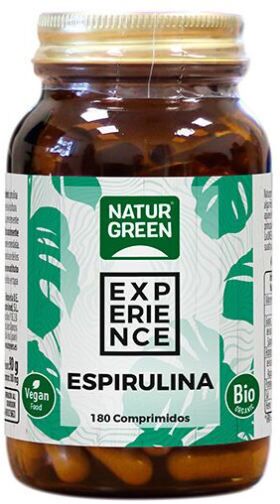
Naturgreen Ecological spirulina 180 tabletsNutrition and Supplements Algae, Mushrooms and Medicinal Fungi Naturgreen Ecological spirulina 180 tablets Organic spirulina pills. How to use Ambient product to be stored in a dry and cool place. Take 6 pills daily, preferably in 2 divided doses before meals. Warning: Do not exceed the stated recommended dose. Keep out of reach of children. Food supplements should not replace a healthy diet. NaturGreen organic spirulina is suitable for vegetarian and vegan diets.7,22 £*Shipping: 3,99 £Secure redirect to the provider

-
What is the difference between ecological backpack, ecological balance, and ecological footprint?
The ecological backpack refers to the amount of natural resources and energy required to support an individual's lifestyle and consumption habits. Ecological balance refers to the state of equilibrium within an ecosystem, where the interactions between living organisms and their environment are stable and sustainable. Ecological footprint measures the impact of human activities on the environment by calculating the amount of biologically productive land and water required to sustain those activities. In summary, the ecological backpack focuses on individual consumption, ecological balance on the stability of ecosystems, and ecological footprint on the overall environmental impact of human activities. **
-
How does sustainable agriculture reduce the ecological footprint in Germany?
Sustainable agriculture in Germany reduces the ecological footprint by promoting practices that minimize the use of synthetic pesticides and fertilizers, which can harm the environment. By implementing crop rotation, organic farming methods, and agroforestry, sustainable agriculture helps to maintain soil health and biodiversity. Additionally, sustainable agriculture in Germany focuses on reducing greenhouse gas emissions by promoting renewable energy sources and efficient farming techniques, ultimately contributing to a more environmentally friendly food production system. **
-
Are dams sustainable? What ecological dangers arise from a dam?
Dams are not always sustainable as they can have significant ecological impacts. One of the main dangers that arise from dams is the disruption of natural river flow, which can harm aquatic ecosystems and impact the migration patterns of fish. Dams can also lead to the loss of habitat for various species, alter water temperature and quality, and contribute to the decline of biodiversity in the surrounding areas. Additionally, the construction of dams can displace communities and disrupt the livelihoods of people who depend on the natural resources of the river. **
-
Was the GDR more sustainable and ecological than we are today?
The GDR (East Germany) did prioritize certain environmental policies and invested in renewable energy sources such as wind and solar power. However, the overall environmental impact of the GDR was not sustainable, as the government prioritized rapid industrialization and neglected environmental protection. Today, while there are still many environmental challenges, there is a greater awareness and commitment to sustainability and ecological practices. The development of green technologies and the implementation of environmental regulations demonstrate a greater effort towards sustainability than was seen in the GDR. **


What is the difference between organic and eco-friendly products?
Organic products are made from ingredients that are grown without the use of synthetic pesticides, herbicides, or fertilizers, and are often certified by a regulatory body. Eco-friendly products, on the other hand, are designed to have minimal impact on the environment throughout their entire lifecycle, from production to disposal. While organic products focus on the natural ingredients used, eco-friendly products consider the overall environmental impact of the product. In essence, organic products focus on the ingredients, while eco-friendly products focus on the entire product lifecycle. **
Why are there no more lids on 500g natural yogurt at Aldi?
There could be a variety of reasons why there are no more lids on 500g natural yogurt at Aldi. It's possible that there was a production issue or a supply chain disruption that led to a shortage of lids for the yogurt containers. Additionally, it's possible that there was a high demand for the 500g natural yogurt, leading to a temporary shortage of lids. It's also possible that Aldi may have made a decision to switch to a different type of packaging for the yogurt. Without more specific information, it's difficult to determine the exact reason for the absence of lids on the 500g natural yogurt at Aldi. **
Top-Angebote
Products related to Naturgreen-Ecological-Azuki-500g:
-
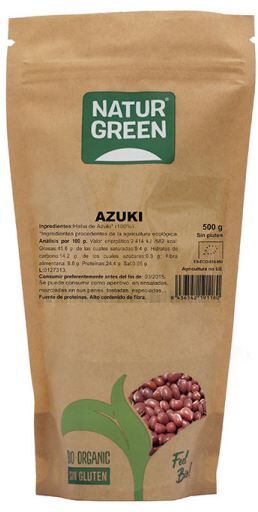
Naturgreen Ecological Azuki 500g 500 grNutrition and Supplements Cereals, Pasta and Legumes Naturgreen Ecological Azuki 500g 500 gr Naturgy's ecological Azuki is a sweeter legume than Jewish and very depurative. You can replace any legume in the recipes you elaborate on your day to day.2,79 £*Shipping: 3,99 £Secure redirect to the provider
-
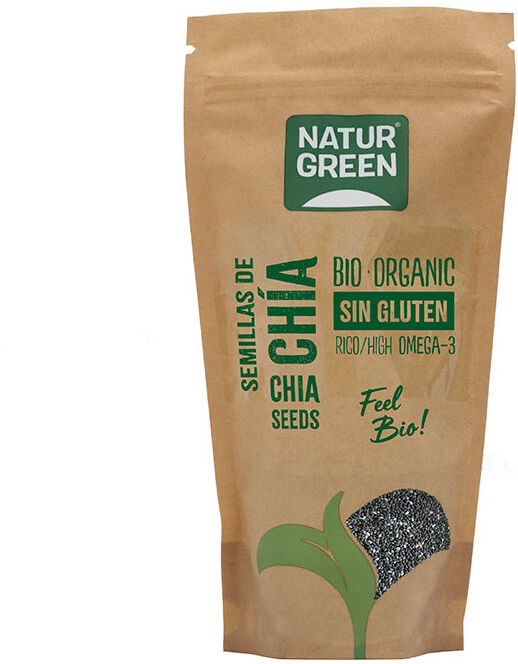
Naturgreen Ecological Chki Seeds 500gNutrition and Supplements Nuts and Seeds Naturgreen Ecological Chki Seeds 500g Naturbreen's 500g ecological chia seeds are rich in fiber and healthy fatty acids omega 3. resulting in an ideal food for chopping between hours.4,74 £*Shipping: 4,99 £Secure redirect to the provider
-
Can azuki beans be eaten raw as sprouts?
Yes, azuki beans can be eaten raw as sprouts. To sprout azuki beans, you can soak them in water for 8-12 hours, then rinse and drain them every 8-12 hours for 2-3 days until they sprout. The sprouted azuki beans can be eaten raw in salads, sandwiches, or as a topping for various dishes. They are a nutritious addition to your diet, as they are high in protein, fiber, and various vitamins and minerals. **
-
What is the difference between ecological and sustainable?
Ecological refers to the relationship between organisms and their environment, focusing on the interactions and interdependencies within ecosystems. It emphasizes the importance of preserving natural habitats and biodiversity. On the other hand, sustainable refers to the ability to meet the needs of the present without compromising the ability of future generations to meet their own needs. It encompasses a broader concept of responsible resource use, social equity, and economic viability. While ecological focuses on the natural environment, sustainable encompasses a more holistic approach that includes social and economic aspects. **
-
What is the difference between ecological backpack, ecological balance, and ecological footprint?
The ecological backpack refers to the amount of natural resources and energy required to support an individual's lifestyle and consumption habits. Ecological balance refers to the state of equilibrium within an ecosystem, where the interactions between living organisms and their environment are stable and sustainable. Ecological footprint measures the impact of human activities on the environment by calculating the amount of biologically productive land and water required to sustain those activities. In summary, the ecological backpack focuses on individual consumption, ecological balance on the stability of ecosystems, and ecological footprint on the overall environmental impact of human activities. **
-
How does sustainable agriculture reduce the ecological footprint in Germany?
Sustainable agriculture in Germany reduces the ecological footprint by promoting practices that minimize the use of synthetic pesticides and fertilizers, which can harm the environment. By implementing crop rotation, organic farming methods, and agroforestry, sustainable agriculture helps to maintain soil health and biodiversity. Additionally, sustainable agriculture in Germany focuses on reducing greenhouse gas emissions by promoting renewable energy sources and efficient farming techniques, ultimately contributing to a more environmentally friendly food production system. **
Similar search terms for Naturgreen-Ecological-Azuki-500g
-
Naturgreen Ecological spirulina 180 tabletsNutrition and Supplements Algae, Mushrooms and Medicinal Fungi Naturgreen Ecological spirulina 180 tablets Organic spirulina pills. How to use Ambient product to be stored in a dry and cool place. Take 6 pills daily, preferably in 2 divided doses before meals. Warning: Do not exceed the stated recommended dose. Keep out of reach of children. Food supplements should not replace a healthy diet. NaturGreen organic spirulina is suitable for vegetarian and vegan diets.7,22 £*Shipping: 3,99 £Secure redirect to the provider
-
Are dams sustainable? What ecological dangers arise from a dam?
Dams are not always sustainable as they can have significant ecological impacts. One of the main dangers that arise from dams is the disruption of natural river flow, which can harm aquatic ecosystems and impact the migration patterns of fish. Dams can also lead to the loss of habitat for various species, alter water temperature and quality, and contribute to the decline of biodiversity in the surrounding areas. Additionally, the construction of dams can displace communities and disrupt the livelihoods of people who depend on the natural resources of the river. **
-
Was the GDR more sustainable and ecological than we are today?
The GDR (East Germany) did prioritize certain environmental policies and invested in renewable energy sources such as wind and solar power. However, the overall environmental impact of the GDR was not sustainable, as the government prioritized rapid industrialization and neglected environmental protection. Today, while there are still many environmental challenges, there is a greater awareness and commitment to sustainability and ecological practices. The development of green technologies and the implementation of environmental regulations demonstrate a greater effort towards sustainability than was seen in the GDR. **
-
What is the difference between organic and eco-friendly products?
Organic products are made from ingredients that are grown without the use of synthetic pesticides, herbicides, or fertilizers, and are often certified by a regulatory body. Eco-friendly products, on the other hand, are designed to have minimal impact on the environment throughout their entire lifecycle, from production to disposal. While organic products focus on the natural ingredients used, eco-friendly products consider the overall environmental impact of the product. In essence, organic products focus on the ingredients, while eco-friendly products focus on the entire product lifecycle. **
-
Why are there no more lids on 500g natural yogurt at Aldi?
There could be a variety of reasons why there are no more lids on 500g natural yogurt at Aldi. It's possible that there was a production issue or a supply chain disruption that led to a shortage of lids for the yogurt containers. Additionally, it's possible that there was a high demand for the 500g natural yogurt, leading to a temporary shortage of lids. It's also possible that Aldi may have made a decision to switch to a different type of packaging for the yogurt. Without more specific information, it's difficult to determine the exact reason for the absence of lids on the 500g natural yogurt at Aldi. **
* All prices are inclusive of VAT and, if applicable, plus shipping costs. The offer information is based on the details provided by the respective shop and is updated through automated processes. Real-time updates do not occur, so deviations can occur in individual cases. ** Note: Parts of this content were created by AI.