Buy krton.com ?
We are moving the project
krton.com .
Are you interested in purchasing the domain
krton.com ?
domain@kv-gmbh.de · 0541-91531010
Buy krton.com ?
Is the oil extraction process legitimate or not?
The legitimacy of the oil extraction process depends on various factors such as adherence to environmental regulations, respect for indigenous rights, and the impact on local communities. If the extraction process follows strict environmental regulations, respects the rights of indigenous peoples, and benefits local communities through job creation and economic development, it can be considered legitimate. However, if the process involves environmental degradation, human rights abuses, or unfair distribution of benefits, it would not be considered legitimate. It is important to assess each oil extraction project on a case-by-case basis to determine its legitimacy. **
Why is natural gas more environmentally friendly than oil?
Natural gas is considered more environmentally friendly than oil because it produces fewer greenhouse gas emissions when burned. When natural gas is burned, it releases about half the carbon dioxide emissions compared to oil. Additionally, natural gas combustion produces lower levels of air pollutants such as sulfur dioxide and nitrogen oxides, which contribute to air pollution and acid rain. Overall, natural gas is seen as a cleaner and more efficient fossil fuel option compared to oil. **
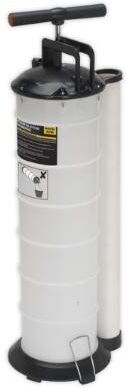

Similar search terms for SEALEY-S01169-Oil-Extraction
Top-Angebote
Products related to SEALEY-S01169-Oil-Extraction:




-
Is the extraction of duck preen gland oil harmful to the animals?
The extraction of duck preen gland oil can be harmful to the animals if not done properly. The preen gland, located near the base of the duck's tail, produces oil that the duck uses to preen its feathers and keep them waterproof. If the extraction process is not done carefully, it can cause discomfort or injury to the duck. However, when done by experienced professionals using ethical and humane methods, the extraction of preen gland oil can be done without causing harm to the animals. **
-
Why are oil, natural gas, and coal not examples of sustainable resources?
Oil, natural gas, and coal are not examples of sustainable resources because they are finite and non-renewable sources of energy. Once these resources are extracted and burned, they cannot be replaced within a human lifetime. Additionally, the extraction and burning of these fossil fuels contribute to environmental degradation and climate change. Therefore, relying on these resources for energy production is not sustainable in the long term. **
-
What is the difference between organic and eco-friendly products?
Organic products are made from ingredients that are grown without the use of synthetic pesticides, herbicides, or fertilizers, and are often certified by a regulatory body. Eco-friendly products, on the other hand, are designed to have minimal impact on the environment throughout their entire lifecycle, from production to disposal. While organic products focus on the natural ingredients used, eco-friendly products consider the overall environmental impact of the product. In essence, organic products focus on the ingredients, while eco-friendly products focus on the entire product lifecycle. **
-
Is jojoba oil environmentally friendly?
Jojoba oil is considered environmentally friendly for several reasons. Jojoba plants are native to arid regions and require minimal water and resources to grow, making them a sustainable crop. Additionally, jojoba oil is biodegradable and non-toxic, making it safe for the environment. The cultivation of jojoba plants also helps prevent soil erosion and desertification, making it a beneficial crop for the environment. **
Is organic sustainable?
Organic farming practices can be more sustainable than conventional methods in terms of reducing chemical inputs, promoting biodiversity, and improving soil health. However, there are challenges to the scalability and efficiency of organic farming, which can impact its overall sustainability. For example, organic farming typically requires more land and labor to produce the same amount of food as conventional methods, which can limit its ability to meet global food demand. Additionally, the transportation and distribution of organic products can have a higher environmental impact due to their shorter shelf life and the need for refrigeration. Overall, while organic farming has many sustainable benefits, there are also limitations to its long-term sustainability on a large scale. **
How does the separation process work in coffee production, edible oil extraction, and car recycling?
In coffee production, the separation process involves removing the coffee beans from the cherry fruit, followed by separating the beans from the pulp and skin. This is typically done using water or fermentation methods. In edible oil extraction, the separation process involves extracting the oil from the seeds or fruits through pressing or solvent extraction methods. The oil is then separated from the solid components, such as the seed or fruit pulp, through processes like centrifugation or filtration. In car recycling, the separation process involves dismantling the car into its various components, such as metal, plastic, glass, and rubber. These components are then sorted and separated using techniques like shredding, magnetic separation, and manual sorting. This allows for the recycling and reuse of the different materials in the car. **
Top-Angebote
Products related to SEALEY-S01169-Oil-Extraction:
-
SEALEY VS2000D Oil DipstickQuantity: 3; Length 1 [mm]: 920; Length 2 [mm]: 930; Length 3 [mm]: 1200; Construction Year from: 1988; Construction Year to: 2006; Colour: blue, green, red; Tool handle surface: Plastic-coated; Material: Spring Steel; Engine Code: 103, 104, 111, 112, 113, 119, 120, 137, 271, 272, 604, 605, 606, 611, 612, 613, 628, 642, 646, 647, 648; Transmission Code: 716.5, 722.7, 722.8, 722.659,99 £*Shipping: 8,45 £Secure redirect to the provider
-
Is the oil extraction process legitimate or not?
The legitimacy of the oil extraction process depends on various factors such as adherence to environmental regulations, respect for indigenous rights, and the impact on local communities. If the extraction process follows strict environmental regulations, respects the rights of indigenous peoples, and benefits local communities through job creation and economic development, it can be considered legitimate. However, if the process involves environmental degradation, human rights abuses, or unfair distribution of benefits, it would not be considered legitimate. It is important to assess each oil extraction project on a case-by-case basis to determine its legitimacy. **
-
Why is natural gas more environmentally friendly than oil?
Natural gas is considered more environmentally friendly than oil because it produces fewer greenhouse gas emissions when burned. When natural gas is burned, it releases about half the carbon dioxide emissions compared to oil. Additionally, natural gas combustion produces lower levels of air pollutants such as sulfur dioxide and nitrogen oxides, which contribute to air pollution and acid rain. Overall, natural gas is seen as a cleaner and more efficient fossil fuel option compared to oil. **
-
Is the extraction of duck preen gland oil harmful to the animals?
The extraction of duck preen gland oil can be harmful to the animals if not done properly. The preen gland, located near the base of the duck's tail, produces oil that the duck uses to preen its feathers and keep them waterproof. If the extraction process is not done carefully, it can cause discomfort or injury to the duck. However, when done by experienced professionals using ethical and humane methods, the extraction of preen gland oil can be done without causing harm to the animals. **
-
Why are oil, natural gas, and coal not examples of sustainable resources?
Oil, natural gas, and coal are not examples of sustainable resources because they are finite and non-renewable sources of energy. Once these resources are extracted and burned, they cannot be replaced within a human lifetime. Additionally, the extraction and burning of these fossil fuels contribute to environmental degradation and climate change. Therefore, relying on these resources for energy production is not sustainable in the long term. **
Similar search terms for SEALEY-S01169-Oil-Extraction
-
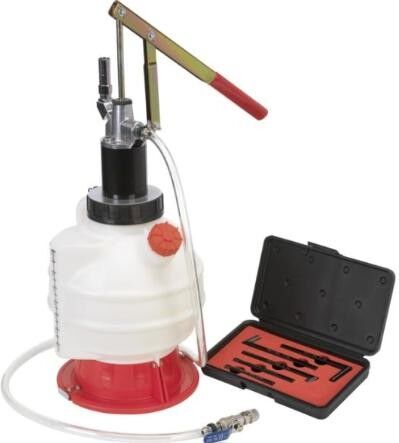
SEALEY VS7009 Filling Device, transmission oilCapacity [litre]: 7; Filling Hose Length [m]: 1.5; Flow Rate per Stroke [cm³]: 70; Number of adapters: 5; Operating Mode: Manual (hand operated); Supplementary Article / Supplementary Info Info 2: with adapter; Adapter Shape: angular; Suitable For (substance/mix/gas/chemicals): Oil803,99 £*Shipping: 1,99 £Secure redirect to the provider
-
What is the difference between organic and eco-friendly products?
Organic products are made from ingredients that are grown without the use of synthetic pesticides, herbicides, or fertilizers, and are often certified by a regulatory body. Eco-friendly products, on the other hand, are designed to have minimal impact on the environment throughout their entire lifecycle, from production to disposal. While organic products focus on the natural ingredients used, eco-friendly products consider the overall environmental impact of the product. In essence, organic products focus on the ingredients, while eco-friendly products focus on the entire product lifecycle. **
-
Is jojoba oil environmentally friendly?
Jojoba oil is considered environmentally friendly for several reasons. Jojoba plants are native to arid regions and require minimal water and resources to grow, making them a sustainable crop. Additionally, jojoba oil is biodegradable and non-toxic, making it safe for the environment. The cultivation of jojoba plants also helps prevent soil erosion and desertification, making it a beneficial crop for the environment. **
-
Is organic sustainable?
Organic farming practices can be more sustainable than conventional methods in terms of reducing chemical inputs, promoting biodiversity, and improving soil health. However, there are challenges to the scalability and efficiency of organic farming, which can impact its overall sustainability. For example, organic farming typically requires more land and labor to produce the same amount of food as conventional methods, which can limit its ability to meet global food demand. Additionally, the transportation and distribution of organic products can have a higher environmental impact due to their shorter shelf life and the need for refrigeration. Overall, while organic farming has many sustainable benefits, there are also limitations to its long-term sustainability on a large scale. **
-
How does the separation process work in coffee production, edible oil extraction, and car recycling?
In coffee production, the separation process involves removing the coffee beans from the cherry fruit, followed by separating the beans from the pulp and skin. This is typically done using water or fermentation methods. In edible oil extraction, the separation process involves extracting the oil from the seeds or fruits through pressing or solvent extraction methods. The oil is then separated from the solid components, such as the seed or fruit pulp, through processes like centrifugation or filtration. In car recycling, the separation process involves dismantling the car into its various components, such as metal, plastic, glass, and rubber. These components are then sorted and separated using techniques like shredding, magnetic separation, and manual sorting. This allows for the recycling and reuse of the different materials in the car. **
* All prices are inclusive of VAT and, if applicable, plus shipping costs. The offer information is based on the details provided by the respective shop and is updated through automated processes. Real-time updates do not occur, so deviations can occur in individual cases. ** Note: Parts of this content were created by AI.